


Deep Cleaning vs. Regular Cleaning: What’s the Difference and Do You Need One?
By Dr. Nicole M. Berger, DDS — South Florida Smile Spa, Pompano Beach
Quick answer
A regular cleaning (prophylaxis) removes plaque and tartar from above the gumline to keep a healthy mouth healthy. A dental deep cleaning — scaling and root planing — goes beneath the gumline to remove bacterial buildup from the tooth roots and treat active gum disease. You likely need a deep cleaning when your dentist finds deep gum pockets, bleeding, or early bone loss. Because gum infection is linked to heart and blood-sugar health, treating it promptly protects more than your smile.

It is one of the most common moments of surprise I see in my Pompano Beach practice. A patient comes in expecting a routine visit — the same quick polish they have had for years — and instead I explain that they need a deep cleaning. Almost everyone asks the same thing: what is the difference, and do I really need it?
It is a fair question, and the answer matters more than most people realize. The difference between a regular cleaning and a dental deep cleaning is not just how long you sit in the chair. It is the difference between maintaining a healthy mouth and treating an active infection — one that a growing body of research connects to the health of your heart, your blood sugar, and how you feel day to day. Let me walk you through it in plain language.
What a Regular Cleaning Actually Does
A regular cleaning — your dental team may call it a prophylaxis — is preventive care for a mouth that is fundamentally healthy. Your hygienist removes plaque and the hardened tartar that builds up on the surfaces of your teeth above the gumline, polishes away surface stains, and confirms that your gums are pink and snug against the teeth. For most people, twice a year keeps things on track. The goal is simple: keep a healthy mouth healthy.
What a Dental Deep Cleaning Is — and Why It’s Different
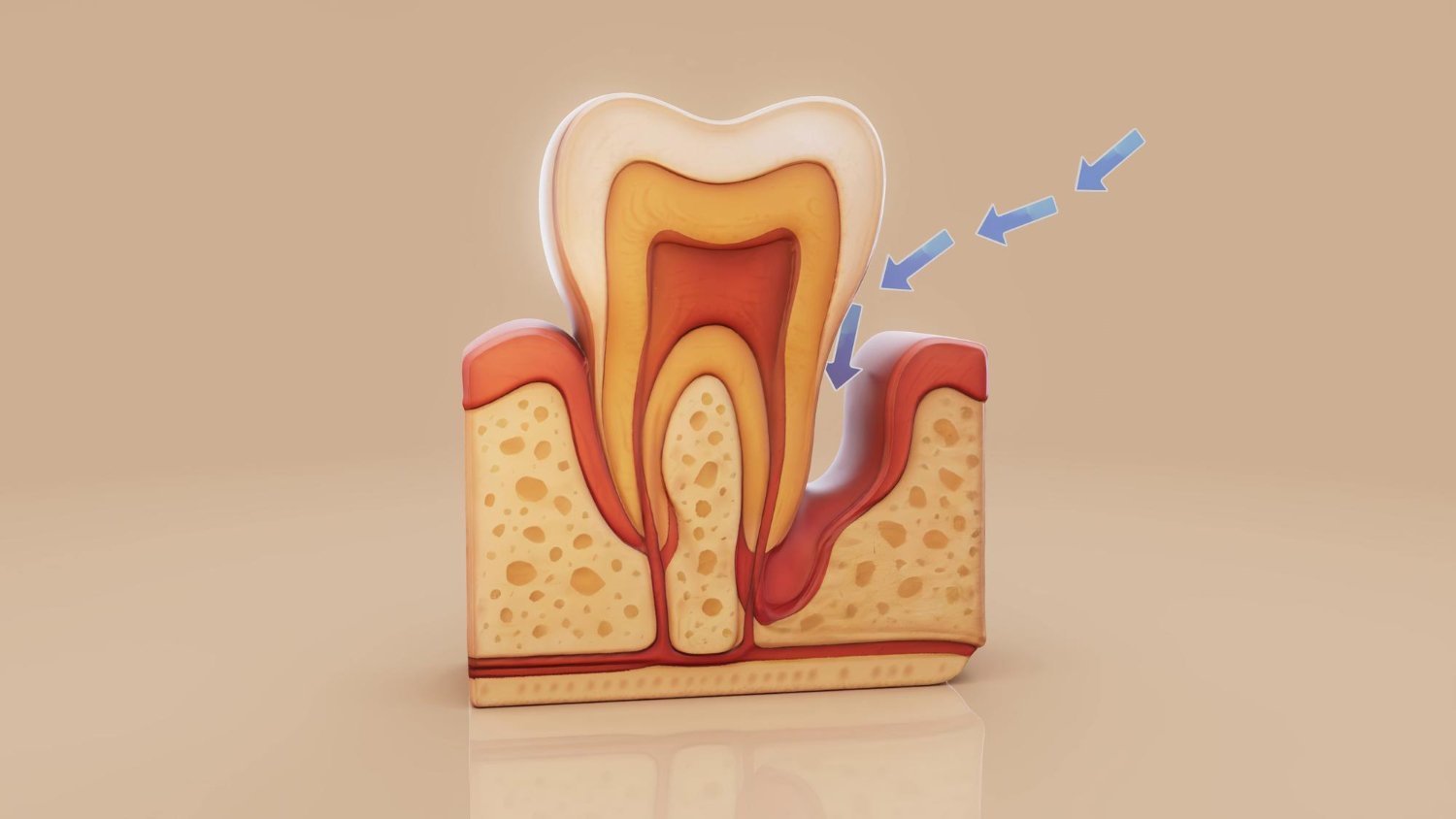
A deep cleaning, known clinically as scaling and root planing, is a treatment rather than routine maintenance. When gum disease takes hold, bacteria and tartar collect below the gumline, inside the small pockets that form between your teeth and gums. A regular cleaning cannot reach that far. During a deep cleaning, we carefully clean the root surfaces beneath the gum, remove the bacterial buildup, and then smooth the roots so the gum tissue can reattach and heal. It is usually done in sections, often with local anesthetic, so you stay comfortable throughout.
How I Decide Which One You Need
This is not a judgment I make by eye alone. At your visit we measure the depth of the pockets around each tooth with a small probe — healthy readings sit around one to three millimeters, and deeper numbers tell me bacteria have moved below the surface. I also look for bleeding, gum recession, and tartar hidden under the gumline. When I need to understand what is happening to the bone that anchors your teeth, I rely on cone beam 3D imaging (CBCT), which gives me a detailed, three-dimensional view of bone loss that a flat X-ray can miss. That precision means I recommend a deep cleaning only when you genuinely need one — never as an upsell.
The Part Most People Miss: Your Gums and the Rest of Your Body
Here is what I wish every patient understood: gum disease does not stay politely confined to your mouth. The same bacteria and inflammation that damage your gums can contribute to inflammation elsewhere in the body. The American Dental Association notes that research has linked gum disease to a range of broader health concerns (see the ADA’s overview at MouthHealthy.org). People living with diabetes often find that gum infection makes blood sugar harder to control — and that better blood-sugar control, in turn, helps the gums. Studies have associated periodontal disease with cardiovascular conditions, and untreated gum infection during pregnancy has been linked to complications. I am careful to call these associations rather than simple cause and effect, but they are reason enough to take bleeding gums seriously. On a daily level, healthy gums mean fresher breath, comfortable chewing, and one less source of low-grade inflammation quietly draining your energy.
What If I’m Anxious About a Deep Cleaning?
If the idea of a deeper procedure makes you tense, you are in good company — and you have options. Most deep cleanings are completed comfortably with local anesthetic. For patients who carry real dental anxiety, or who would rather have several areas treated in one sitting, I offer IV sedation that I administer and monitor personally, so you can relax completely while we work. We also offer financing through CareCredit and Lending Club, so that worry is never the reason you delay care your whole body depends on.
A Patient’s Story
I think of one patient — I will call her Maria — who came in for what she assumed would be a routine cleaning after a couple of years away. Her gums bled at the lightest touch, and her pocket readings told the real story: early periodontal disease. She was hesitant, but we completed her deep cleaning over two comfortable visits. At her follow-up, the bleeding was gone and her pockets had tightened. She mentioned something I hear often — her mouth simply felt lighter and cleaner than it had in years. She also told me her physician had recently flagged her blood sugar, which gave our work an added sense of purpose. Her gums and her overall health were never really separate problems.
Frequently Asked Questions
Does a deep cleaning hurt? Most deep cleanings are done comfortably with local anesthetic, so the procedure itself is not painful. Some mild tenderness afterward is normal and usually settles within a day or two. Anxious patients can choose IV sedation right here in our office.
How long does a deep cleaning take? It is often completed over one or two visits, frequently treating one half of the mouth at a time so each area is cleaned thoroughly and you stay comfortable.
Will I need deep cleanings forever? Not necessarily. Once scaling and root planing heals the gums, most patients move to a periodontal maintenance schedule — regular cleanings, often every three to four months — to keep gum disease from coming back.
Can gum disease really affect my heart? Research has linked gum disease to broader health concerns, including cardiovascular conditions and blood-sugar control in people with diabetes. These are associations rather than proven cause and effect, but they are a strong reason to treat gum infection promptly.
Ready to Find Out What Your Gums Need?
If it has been a while since your last visit, or your gums bleed when you brush, the kindest thing you can do for your whole body is simply to find out where you stand. We will measure, look closely, and tell you honestly whether a regular cleaning is all you need — or whether a deep cleaning would protect your health. Call us at (954) 785-1100 or request an appointment through our website, and we will take the time to walk you through it.
South Florida Smile Spa is located at 572 E McNab Rd, Suite 102, Pompano Beach, FL 33060. We welcome new patients from Pompano Beach, Fort Lauderdale, Deerfield Beach, and surrounding communities.

Dr. Nicole M. Berger, DDS
Dr. Berger has cared for patients in Pompano Beach for over two decades at South Florida Smile Spa, with a focus on cosmetic dentistry, implants and reconstruction, and sedation options for anxious patients.


