


Reviewed by Dr. Nicole M. Berger, DDS — South Florida Smile Spa, Pompano Beach, FL
Routine dental care in Pompano Beach is the part of dentistry that keeps everything else on this website from becoming necessary. A cleaning and exam twice a year, X-rays on a sensible schedule, a periodontal measurement, an oral cancer screening, and a guard if you grind: none of it is dramatic, and together it is what separates the patients who need a filling now and then from the patients who end up needing a root canal, an extraction or an implant. At South Florida Smile Spa, Dr. Nicole M. Berger, DDS and our hygienists run routine care the same way for every patient, including the ones who have not been to a dentist in years.
Quick answer
Routine dental care at South Florida Smile Spa in Pompano Beach means a professional cleaning and exam every six months, digital X-rays about once a year, a periodontal measurement of every tooth, an oral cancer screening at every exam, and preventive items such as night guards and sports mouthguards when they are needed. Most dental insurance plans cover two cleanings and exams a year at 100 percent. Treatment that routine visits catch early, such as a small filling, a same-day crown or a routine root canal, is done here by Dr. Nicole M. Berger, DDS, with sedation available for patients who have been avoiding the dentist.

Routine Dental Care
What a routine visit actually includes
A “cleaning” at South Florida Smile Spa is about an hour, and the cleaning is only part of it. Every routine visit includes:
- A medical and medication review, because diabetes, blood pressure medication, blood thinners and a dozen other things change what we look for and how we treat.
- Digital X-rays on a schedule set by your risk, usually bitewings once a year and a full set every three to five years, at a fraction of the radiation of film.
- A periodontal measurement of the gum pocket at six points around every tooth, which is how gum disease is actually diagnosed. See how a gum disease diagnosis is made.
- An oral cancer screening of the lips, tongue, cheeks, palate and throat, at every exam, because early lesions are painless and easy to miss.
- The cleaning itself: removal of tartar above and just below the gumline, polishing, and flossing, by a hygienist who also tells you honestly how your home care is going.
- The exam by Dr. Berger: each tooth, each existing filling and crown, the bite, the jaw joints, and anything the X-rays or the hygienist flagged, with a plan if something needs attention and a clear “nothing to do” if it does not.
Our routine dental care services in Pompano Beach
Each service has its own page with what it involves and when it is recommended.
- Dental cleanings and exams. The six-month visit described above, with X-rays, periodontal charting and a doctor’s exam. Patients with a history of gum disease are seen every three to four months instead.
- Dental hygiene. What our hygienists do and the home routine that makes the difference between visits: brushing technique, flossing or water flossing, fluoride, and what to do about dry mouth, sensitivity and bad breath.
- Oral cancer screening. A visual and tactile check at every exam, and what happens if a spot needs a second look or a biopsy.
- Night guards. A custom-fitted guard for patients who grind or clench, which is most of the patients we see with worn, flattened or cracked teeth and morning jaw ache.
- Sports mouthguards. Custom guards for contact sports that fit better and protect better than the boil-and-bite kind.
- Root canal treatment. When decay or a crack reaches the nerve. Dr. Berger performs routine root canals here, in one or two visits, with the crown often made the same day.
- Children’s dentistry. Exams, cleanings, fluoride, sealants and a first visit that is designed to be easy, so the next twenty years of dental visits are too.
- Same-day dentistry. Crowns, onlays and some veneers designed and milled in our office with CEREC while you wait, so a tooth that needs a crown is finished in one visit instead of two.
How often you should come, honestly
Six months is the right interval for most adults with healthy gums and a low cavity history, and it is what most insurance plans cover. It is not a law of nature. Patients with a history of periodontal disease, heavy tartar, dry mouth from medication, diabetes, or a lot of restorative work do better at three or four months, because the bacteria that cause gum disease re-establish themselves in about ninety days. Patients with very low risk can sometimes stretch to a year. Dr. Berger sets your interval from your chart, not from the calendar, and revisits it when things change. The American Dental Association’s guidance on going to the dentist makes the same point: some people need one or two visits a year and others need more.
If it has been years since your last visit
You are the patient this practice was built for, and you will not be lectured. The first visit is an exam, X-rays and a conversation about what you want fixed and in what order; nothing is drilled that day unless you ask. If there is heavy tartar, the first cleaning may be done over two visits or with local anesthetic so it is comfortable. If anxiety is what kept you away, nitrous oxide, oral sedation and IV sedation are all available here, and Dr. Berger has written a guide to dental anxiety and sedation that is worth reading before you call. Most patients who have avoided the dentist for years find the list of what actually needs doing is shorter than they feared.
Why routine care is a medical decision, not a cosmetic one
Gum disease is a chronic bacterial infection, and the research linking it to heart disease, diabetes control and other conditions keeps growing. Dr. Berger has written about the connection between gum disease and heart disease and about diabetes and oral health, because both change how we manage a routine visit. The oral cancer screening is the other reason routine visits matter beyond the teeth: found early, oral cancer is highly treatable; found late, it is not.
Cost and insurance
Most dental insurance plans cover two cleanings and exams a year, plus routine X-rays, at 100 percent with no deductible, which makes routine care the one category of dentistry that is usually free to the insured patient. Fillings are typically covered at 70 to 80 percent and crowns at about 50 percent, up to the plan’s annual maximum. Our team verifies your benefits before the visit and tells you what, if anything, you will owe. Patients without insurance receive the fee up front, and we quote treatment in priority order so you can decide what to do now and what can wait. If you have benefits left at the end of the year, Dr. Berger’s note on using them before they reset explains how to make the most of them.
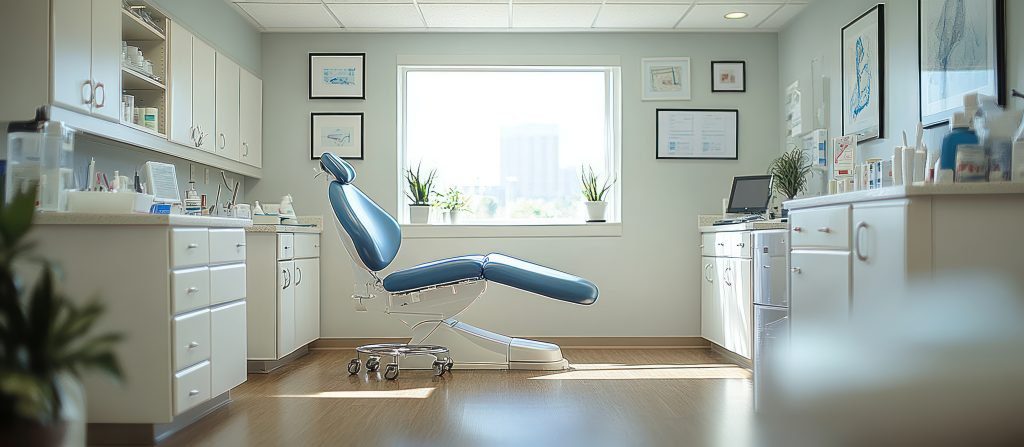
Care in Pompano Beach
Why patients choose South Florida Smile Spa for routine dental care
- Measured, not eyeballed. Periodontal charting and an oral cancer screening at every exam, so changes are caught as numbers, not impressions.
- One visit when one visit will do. Same-day CEREC crowns and routine root canals done here, so a problem found at a cleaning does not become three more appointments.
- Sedation for the anxious. Nitrous oxide for a cleaning, IV sedation for a long restorative visit; a practice built around patients who dread the dentist.
- Straight talk on what to fix. Treatment is quoted in priority order, with the option to wait where waiting is safe.
- Judgment-free. Years away from the dentist is where many of our best patient relationships started.
Patients come to us for routine dental care from Pompano Beach, Lighthouse Point, Deerfield Beach, Fort Lauderdale and Coconut Creek. If you are new to the practice, the new patient page explains what to bring and what the first visit looks like.
If it is time for a cleaning, or long past time
Book a cleaning and exam, or a first visit if you are new or returning after a long gap. You will leave knowing exactly where your teeth and gums stand and what, if anything, needs doing.
South Florida Smile Spa · Dr. Nicole M. Berger, DDS · 572 E McNab Rd, Suite 102, Pompano Beach, FL 33060 · (954) 785-1100
Frequently Asked Questions
How often should I have my teeth cleaned?
Every six months for most adults with healthy gums. Every three to four months if you have a history of gum disease, heavy tartar, dry mouth, diabetes or a lot of dental work, because the bacteria that cause gum disease rebuild in about ninety days. Dr. Berger sets the interval from your periodontal chart, not from the calendar.
How long does a cleaning and exam take?
About an hour: the medical review, any X-rays due, periodontal measurements, the oral cancer screening, the cleaning and polishing, and the exam with Dr. Berger. A first visit after a long gap, or one with heavy tartar, may take longer or be split over two appointments.
Do I need X-rays every visit?
No. Bitewing X-rays, which show cavities between the teeth, are usually taken once a year; a full-mouth set or a panoramic X-ray every three to five years. The schedule is adjusted to your cavity and gum history. Our digital X-rays use a small fraction of the radiation of older film, and we do not take any that are not needed.
Does a dental cleaning hurt?
A routine cleaning on healthy gums is not painful, though it can be a little sensitive around the gumline. If your gums are inflamed or there is heavy tartar, the first cleaning can be uncomfortable, and we numb the area or use nitrous oxide so it is not. Gums that bleed during a cleaning are a sign of inflammation, not of rough treatment, and the bleeding stops as the gums heal.
What is the difference between a regular cleaning and a deep cleaning?
A regular cleaning removes plaque and tartar from the tooth surfaces and just under the gumline, and is preventive. A deep cleaning, or scaling and root planing, treats gum disease by cleaning the root surfaces inside deeper pockets, under local anesthetic, usually one side of the mouth per visit. Which one you need is decided by the periodontal measurements, not by how long it has been.
What happens at an oral cancer screening?
Dr. Berger looks at and feels the lips, tongue, floor of the mouth, cheeks, palate, gums and throat for any patch, ulcer, lump or color change, and asks about anything you have noticed. It takes a couple of minutes and is part of every exam. A spot that has not healed in two weeks is re-checked or biopsied. Early oral cancer is painless, which is why the screening is routine rather than symptom-driven.
I have not been to a dentist in years. What should I expect?
An exam, X-rays and a conversation, not a lecture. We find out what is going on, tell you what needs doing and in what order, and nothing is treated that day unless you want it to be. Sedation is available if anxiety is what kept you away. Most returning patients find the list is shorter than they feared.
Is routine dental care covered by insurance?
Usually in full. Most dental plans cover two cleanings and exams per year and routine X-rays at 100 percent with no deductible. Fillings and crowns are covered at a lower percentage up to the plan’s annual maximum. Our team checks your benefits before the visit and tells you what, if anything, you will owe.
Do you see children?
Yes. Children are seen for exams, cleanings, fluoride and sealants, and the first visit is kept short and easy so that dental visits do not become something to dread. Our children’s dentistry page explains when to bring a child for the first time and what the visit involves.
Do you see patients from outside Pompano Beach?
Yes. Patients come for routine dental care from Lighthouse Point, Deerfield Beach, Fort Lauderdale, Coconut Creek and across Broward County. The office is at 572 E McNab Rd, Suite 102, Pompano Beach. Call (954) 785-1100 or request an appointment.