

IV vs. Oral vs. Nitrous: Which Dental Sedation Is Right For You?
IV vs. Oral vs. Nitrous: Which Dental Sedation Is Right For You?
By Dr. Nicole M. Berger, DDS — South Florida Smile Spa, Pompano Beach
| Quick answer: There are three dental sedation options Pompano Beach patients trust. Nitrous oxide (laughing gas) is inhaled, keeps you fully awake, and wears off in minutes — good for mild nerves. Oral conscious sedation is a pill taken before your visit that leaves you drowsy and calm, and requires a driver. IV sedation is the deepest option, delivered through a vein and adjusted moment to moment, and most patients remember almost nothing afterward. At South Florida Smile Spa in Pompano Beach, Dr. Nicole M. Berger, DDS is certified in IV sedation and administers and monitors it personally. |
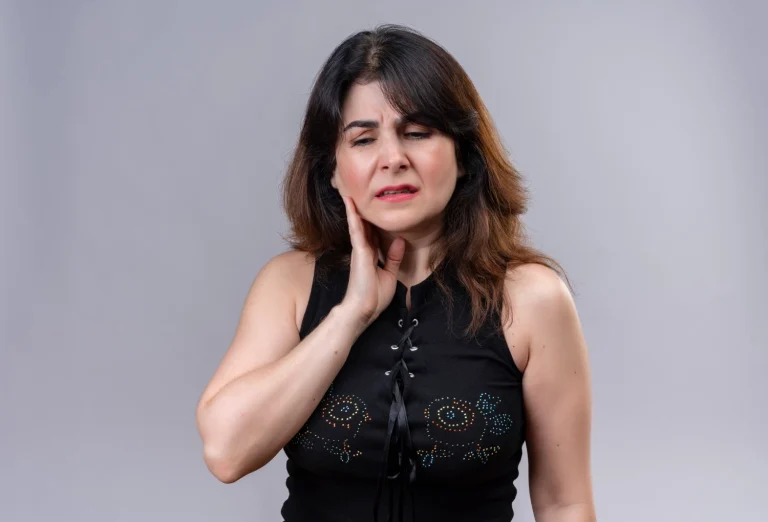
Almost every week, someone sits down in my Pompano Beach office and tells me a version of the same story: they’ve been putting off dental care for years — sometimes decades — because of fear. A bad experience as a child. A gag reflex that makes even a cleaning feel impossible. Or just a dread they can’t quite explain. What they usually don’t realize is how much that avoidance has cost them beyond their teeth.
Because when fear keeps you out of the chair, small problems become big ones. A cavity becomes a root canal. Early gum inflammation becomes periodontal disease, which research has repeatedly linked to cardiovascular strain and poorer blood-sugar control. The American Dental Association’s MouthHealthy resource is direct about it: avoiding dental care allows conditions to progress that would have been simple to treat. Sedation isn’t a luxury for anxious patients. For many people, it’s the thing that finally lets them get healthy.
So let’s demystify it. Here are the three options I offer, and how I help patients choose between them.
Nitrous oxide: the lightest touch
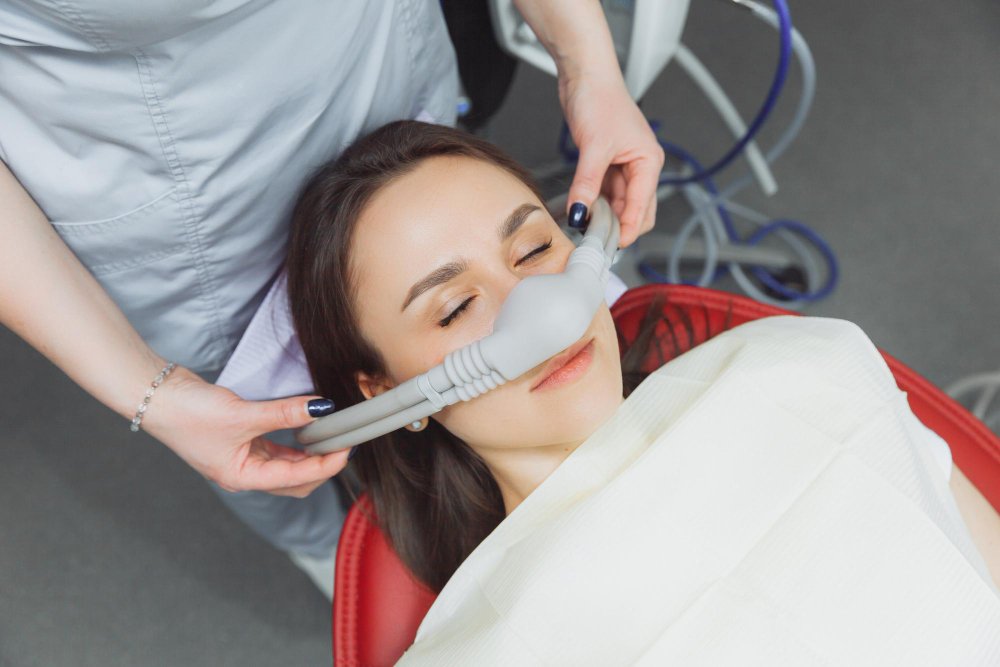
Nitrous oxide — most people know it as laughing gas — is inhaled through a small mask over your nose. Within a few minutes you feel a light, floating calm. You’re completely awake, you can talk with me during treatment, and you’ll remember your visit. The single biggest practical advantage is how quickly it clears: after a few minutes of breathing plain oxygen, the effect is gone, and most patients drive themselves home and return to work.
Nitrous is my usual recommendation for mild nervousness, for patients who mostly need to take the edge off, and for shorter appointments. What it won’t do is carry someone through a long or complex procedure, or reach a patient whose fear is severe. It’s a light touch, and it’s honest about that.
Oral conscious sedation: calm before you arrive
Oral sedation means taking a prescribed sedative — typically a pill — before your appointment. By the time you sit down, you feel drowsy, detached, and considerably calmer. Many patients remember only fragments of the visit. It’s a meaningful step deeper than nitrous, and it has a particular advantage: for people whose anxiety spikes in the waiting room or the night before, the calm begins before they ever walk in.
The tradeoffs are real, though. Because it’s swallowed rather than delivered into a vein, I can’t fine-tune the depth once it’s taken — what you took is what you get. It takes time to kick in, and it lingers afterward, so you’ll need a responsible adult to drive you home and stay with you. For moderate anxiety and appointments of moderate length, it’s often the right middle ground.
IV sedation: the deepest and most controllable
IV sedation, sometimes called twilight sedation, is delivered through a small line placed in your hand or arm. It is the deepest of the three, and — this is the part patients find surprising — it is also the most controllable. Because the medication goes directly into the bloodstream, I can adjust the level moment to moment throughout your procedure, responding to exactly how you’re doing.
An important clarification: IV sedation is conscious sedation, not general anesthesia. You breathe on your own. You can respond if I ask you to turn your head. But you’re profoundly relaxed, unaware of discomfort, and most patients tell me afterward that the whole appointment seems to have taken a few minutes. Many remember nothing at all.
This is what I reach for when anxiety is severe, when a gag reflex makes ordinary treatment impossible, when someone struggles to get numb with local anesthesia alone, or when we’re doing something substantial — implant placement, full-arch treatment, a full-mouth rehabilitation, multiple procedures consolidated into a single visit. That last point matters more than people expect: consolidating treatment means fewer appointments, less time away from work, and less cumulative dread. The same logic applies to combining sedation with cosmetic work — many patients complete a full porcelain veneers smile makeover comfortably in far fewer visits than they expected.
I completed advanced training in conscious sedation and general anesthesia, I hold the appropriate Florida certification, and I administer and monitor IV sedation personally — with continuous pulse oximetry and vital-sign monitoring throughout. This is not something we outsource or rush. You’ll need a trusted adult to drive you home and you’ll rest for the remainder of the day.
How to choose between your dental sedation options Pompano Beach
The decision comes down to three honest questions. How intense is your fear? Mild nerves and severe, avoidance-level dread call for very different tools. How long and how involved is the appointment? A cleaning and a full-arch implant case are not the same undertaking. And what does your medical history allow? Before any sedation, I review your health conditions and every medication you take, because safe sedation begins with screening, not with the drug.
There’s a fourth question I ask that isn’t clinical: what would it mean for you to stop avoiding this? For many patients, the answer has very little to do with teeth.
A patient’s story
One patient — I’ll keep him anonymous — hadn’t seen a dentist in nineteen years. He came in with an infection he’d been managing with over-the-counter painkillers for months, embarrassed and braced for a lecture he never got. We treated him under IV sedation and completed in one visit what would otherwise have taken four. When he woke up he was quiet for a moment, and then he said, almost accusingly, “That’s it?” He’s been in for regular cleanings ever since — with nitrous, because he doesn’t need anything more anymore. That’s the arc I hope for: sedation as a bridge back to ordinary care, not a permanent crutch.
Questions I hear most
What is the difference between IV sedation and nitrous oxide?
Nitrous is a light inhaled sedative that wears off in minutes, so you can usually drive yourself home. IV sedation is far deeper, delivered through a vein, adjusted moment to moment, and typically leaves little memory of the procedure. IV sedation always requires a driver.
Will I be unconscious during IV sedation?
No. It’s conscious sedation, not general anesthesia. You breathe on your own and can respond to simple instructions — you’re just deeply relaxed, and most people remember very little.
Is dental sedation safe?
With a trained, certified clinician, careful screening, and continuous vital-sign monitoring, sedation has a strong safety record. Your medical history and medications are reviewed thoroughly before we proceed.
Can I drive afterward?
After nitrous, usually yes, once the effects clear. After oral or IV sedation, no — you’ll need a responsible adult to drive you and stay with you.
Which sedation is best for dental anxiety?
It depends on the severity and the appointment. Mild nerves often respond beautifully to nitrous; significant fear, a strong gag reflex, or long procedures are usually better served by IV sedation.
If fear has kept you away from the dentist, I’d like to talk with you — before you commit to anything. A consultation is a conversation about what you’re afraid of and what would make this feel possible. Most of my patients tell me the hardest part was picking up the phone.
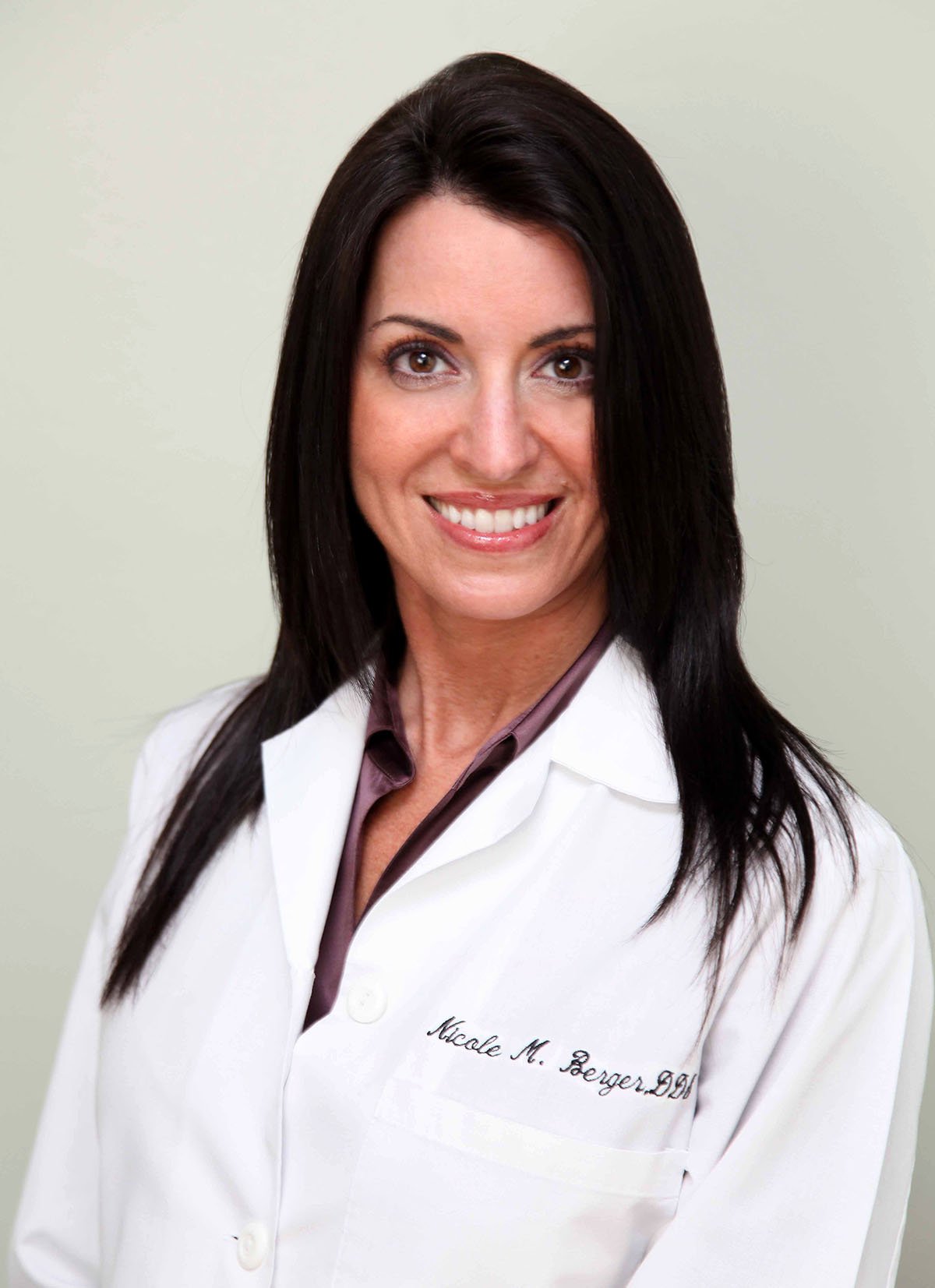 Dr. Nicole M. Berger, DDS Dr. Nicole M. Berger, DDSDr. Berger is certified in IV sedation dentistry in the State of Florida and personally administers and monitors every sedation case at South Florida Smile Spa. |
572 E McNab Rd, Suite 102 · Pompano Beach, FL 33060 · (954) 785-1100 · Serving Pompano Beach, Fort Lauderdale, Deerfield Beach & nearby communities.
Table of Contents

Dr. Nicole M. Berger, DDS
Dr. Berger has cared for patients in Pompano Beach for over two decades at South Florida Smile Spa, with a focus on cosmetic dentistry, implants and reconstruction, and sedation options for anxious patients.